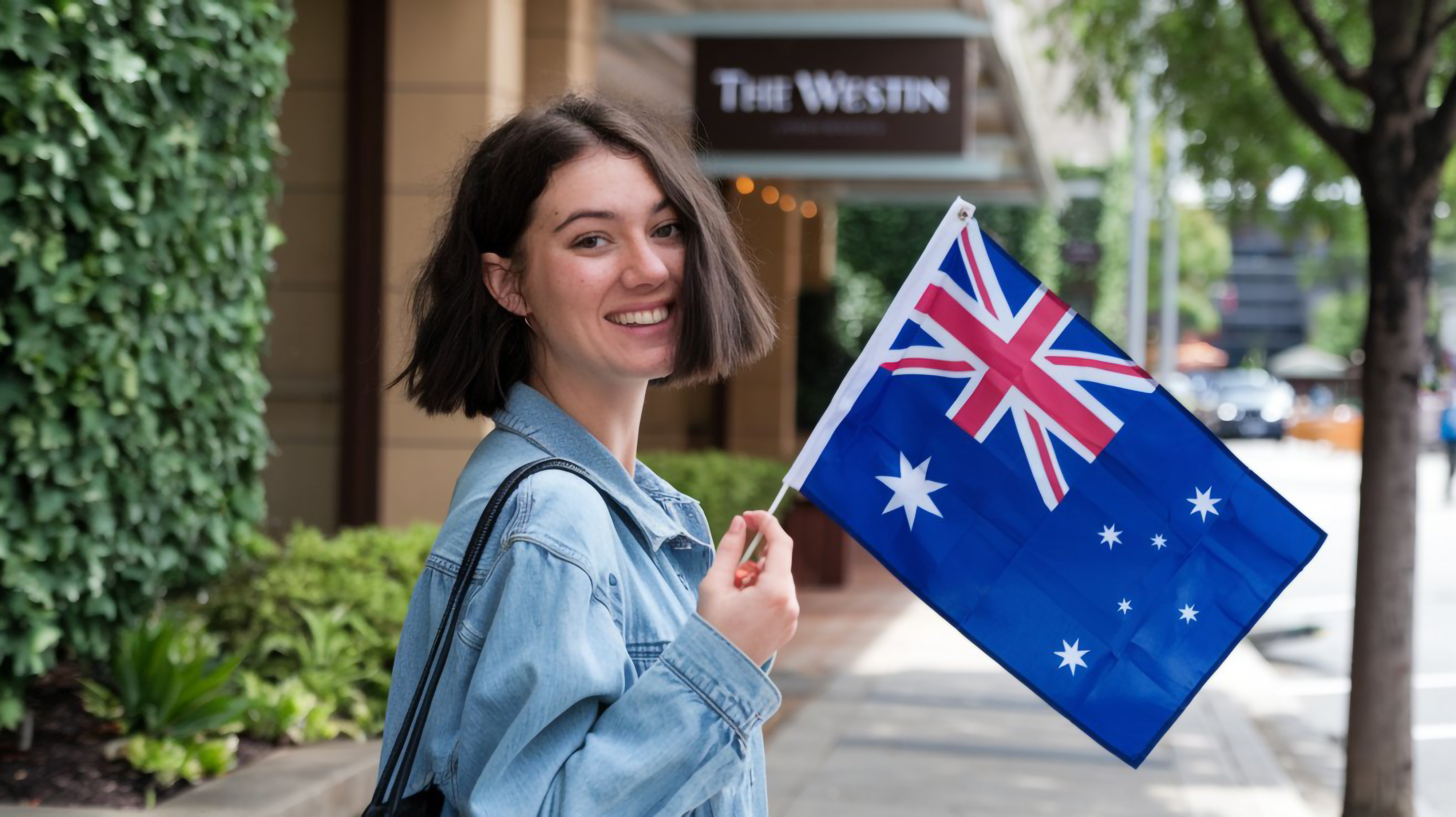
Partner Visa Subclass 309/100
The offshore Partner visa (309/100) allows partners of Australians to begin their journey to permanent residency from outside Australia.
Partner Visa (Subclass 309/100): Offshore Partner Pathway to Permanent Residency in Australia
The offshore Partner visa pathway (Subclass 309 → 100) allows spouses and de facto partners of Australian citizens, permanent residents, or eligible New Zealand citizens to live in Australia. Applicants apply once and, if eligible, receive a temporary visa (309) while the permanent stage (100) is assessed later.
The Partner visa (subclasses 309 and 100) is a two-stage offshore visa process for people in a genuine and continuing relationship with an Australian partner. You apply once for both visas. If successful, you will first be granted the temporary Partner visa (309), which lets you enter and live in Australia. After a qualifying period and further evidence, the permanent Partner visa (100) may be granted.
Why Choose the Partner Visa 309/100?
Ideal for partners who are currently outside Australia and want to live with their Australian spouse or de facto partner permanently, with a direct pathway to Australian permanent residency and later citizenship.
Visa Stages
Stage 1 — Temporary Partner Visa (Subclass 309)
Granted after the Department’s initial assessment of relationship genuineness and other requirements. It allows entry and temporary stay in Australia.
Stage 2 — Permanent Partner Visa (Subclass 100)
Assessed usually 2 years after the initial application. Applicants provide updated evidence of their continuing relationship to be granted permanent residency.
Benefits
Subclass 309 (temporary): live, work, and study in Australia while awaiting permanent stage; travel freely to and from Australia; access Medicare after arrival.
Subclass 100 (permanent): live in Australia permanently, access social security benefits, sponsor eligible family members, and pathway to citizenship.
Include dependent children in the application.
Single combined application fee for both stages.
Eligibility Criteria
sponsor
Must be an Australian citizen, permanent resident, or eligible New Zealand citizen. Sponsors must meet character checks and sponsorship limitations.
relationship
You must be married or in a de facto relationship (generally 12 months unless exempt due to registration or compelling circumstances). The relationship must be genuine and continuing.
location
Applicant must be outside Australia when applying and when a decision is made on the 309 visa. For the permanent stage (100), you can be inside or outside Australia.
character_health
Applicants must meet health and character requirements, including police clearances and medical checks.
previous_sponsorship
Sponsorship limitations apply to sponsors who have previously sponsored or been sponsored under partner visas.
Evidence Checklist
Identity documents: passport, birth certificate, photographs.
Relationship evidence across the 4 pillars: financial commitments, household arrangements, social evidence, and proof of ongoing commitment.
Marriage certificate or proof of de facto relationship (such as joint leases, shared bills, etc.).
Form 888 statutory declarations from Australian citizens/PRs who know your relationship.
Sponsor documents: proof of Australian citizenship/PR/NZ status, character checks.
Health examinations and police certificates for all countries lived in for 12+ months.
Conditions & Rights
Subclass 309 holders can live, work, and study in Australia temporarily.
Access to Medicare after arrival.
Multiple travel entries allowed while 309 is valid.
Subclass 100 holders receive permanent residency rights, with eligibility to apply for Australian citizenship later.
Must notify the Department of any changes in relationship status.
Application Process
Gather identity, relationship, and sponsor documents.
Apply online via ImmiAccount for the combined 309/100 application while offshore.
Provide biometrics, health checks, and police clearances as requested.
Await the outcome of the temporary 309 visa application.
Once 309 is granted, move to Australia and live with your partner.
After the qualifying period, submit updated relationship evidence when invited for the 100 visa stage.
If approved, permanent residency (Subclass 100) is granted.
Processing Time
Processing times vary based on individual circumstances, case complexity, and departmental caseload. Typically, the permanent stage (100) is assessed around 2 years after the initial lodgement, though faster processing may apply for long-term relationships or cases involving children.
Fees & Notes
A single government fee covers both 309 and 100 visa stages.
Additional costs may include medical exams, police clearances, and translations.
Visa application charges are subject to regular updates, so applicants should confirm the latest amount before lodging.
FAQs
Do we need to be married to apply?
Can I travel to Australia while waiting for the 309 visa?
Can I include my children in the application?
When is the 100 visa granted?
Does the visa allow me to work and study?
Kick-start Your Career with Qbase
Unlock opportunities with our expert Visa Services, Student Services, and Migration Guidance. Your journey to success starts here!